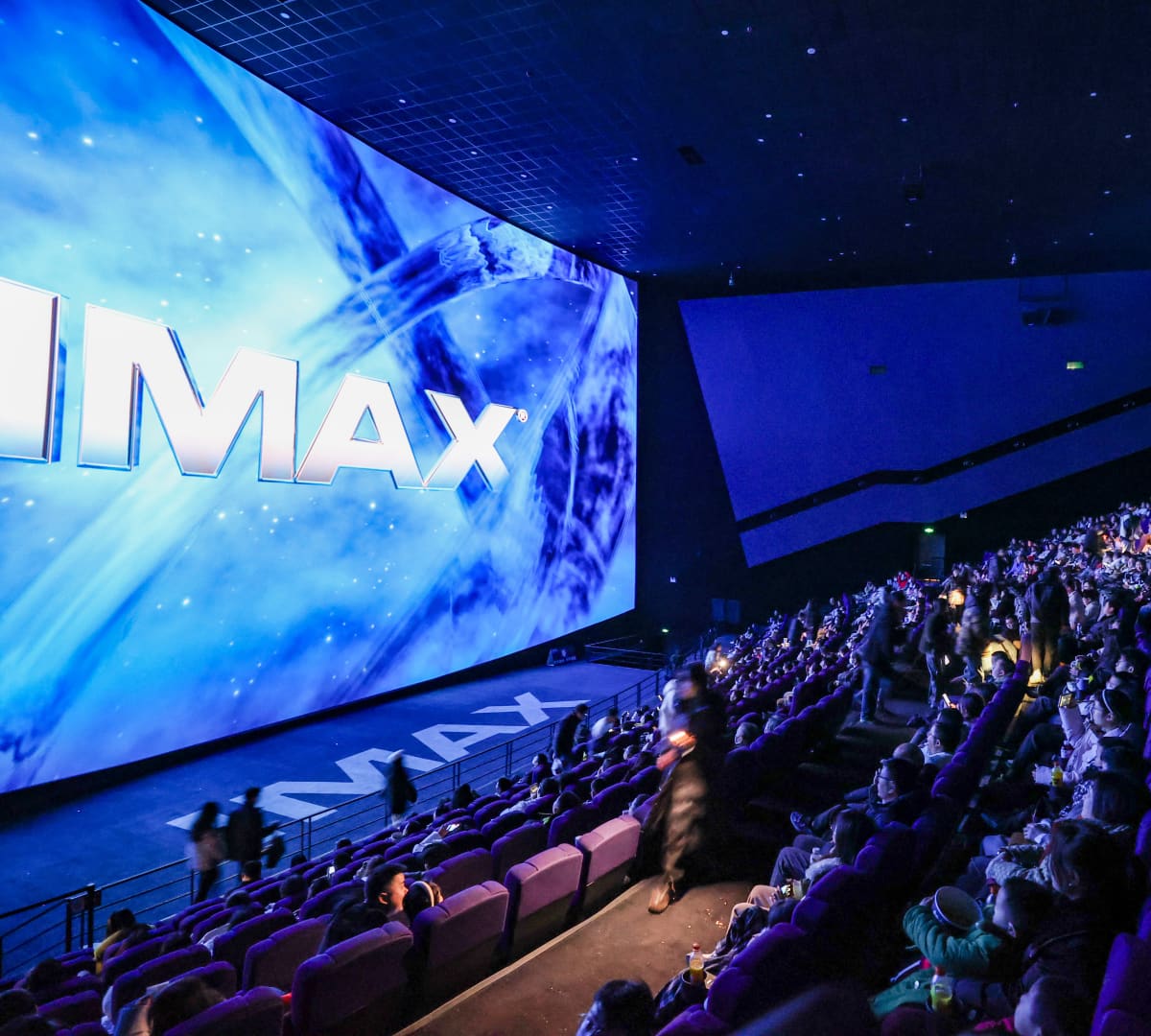
ESPN and the NFL are taking the Super Bowl off the couch and into hundreds of Imax theaters. Super Bowl 61 will be telecast live in February through a partnership with Disney's ESPN, which holds the broadcast rights to the 2027 game. The company describes it as the largest Imax live event in its history and the first time the Super Bowl will be available in the format. The four-hour event on Feb. 14 will include ESPN's main game telecast, Jay-Z's halftime performance, and pregame and postgame coverage.
The appeal is easy to understand. Watching the game with other fans is part of what makes it special, and Ken Potrock, president of major event integration for The Walt Disney Co., framed the collaboration as a way to take that shared experience to a historic new scale. A large screen and a packed room could make a halftime show feel like an event rather than background noise. For fans who cannot host a party or who want to be among strangers who care as much as they do, the pitch has real pull.
But the report leaves the most important questions unanswered. Pricing was not disclosed, and tickets are only expected to go on sale in January. Availability is described as covering theaters in the United States and select international markets, including Australia, New Zealand and Brazil, but the report does not say how many of those hundreds of locations are in each market or how easy it will be for a typical fan to find a seat nearby. A premium ticket for a single event could easily price out the very fans the phrase "shared experience" suggests it welcomes.
The rollout also sits alongside the other ways viewers can watch. The game will be available on ESPN channels, on the streaming platform Disney+, and on Disney's broadcast network ABC. A theater ticket is therefore not the only path, and it is not clear whether the Imax offering adds something that a free broadcast cannot. That is the test the companies should be willing to face in public.
My view is simple: the experiment is worth running, but it should be judged on transparent terms. Disney and the NFL should publish pricing well before January, disclose how many screens and seats are involved, and report afterward on attendance and audience reaction. If the format delivers a better experience at a fair price, it will earn repeat business. If it turns out to be a premium novelty, the numbers will show it.