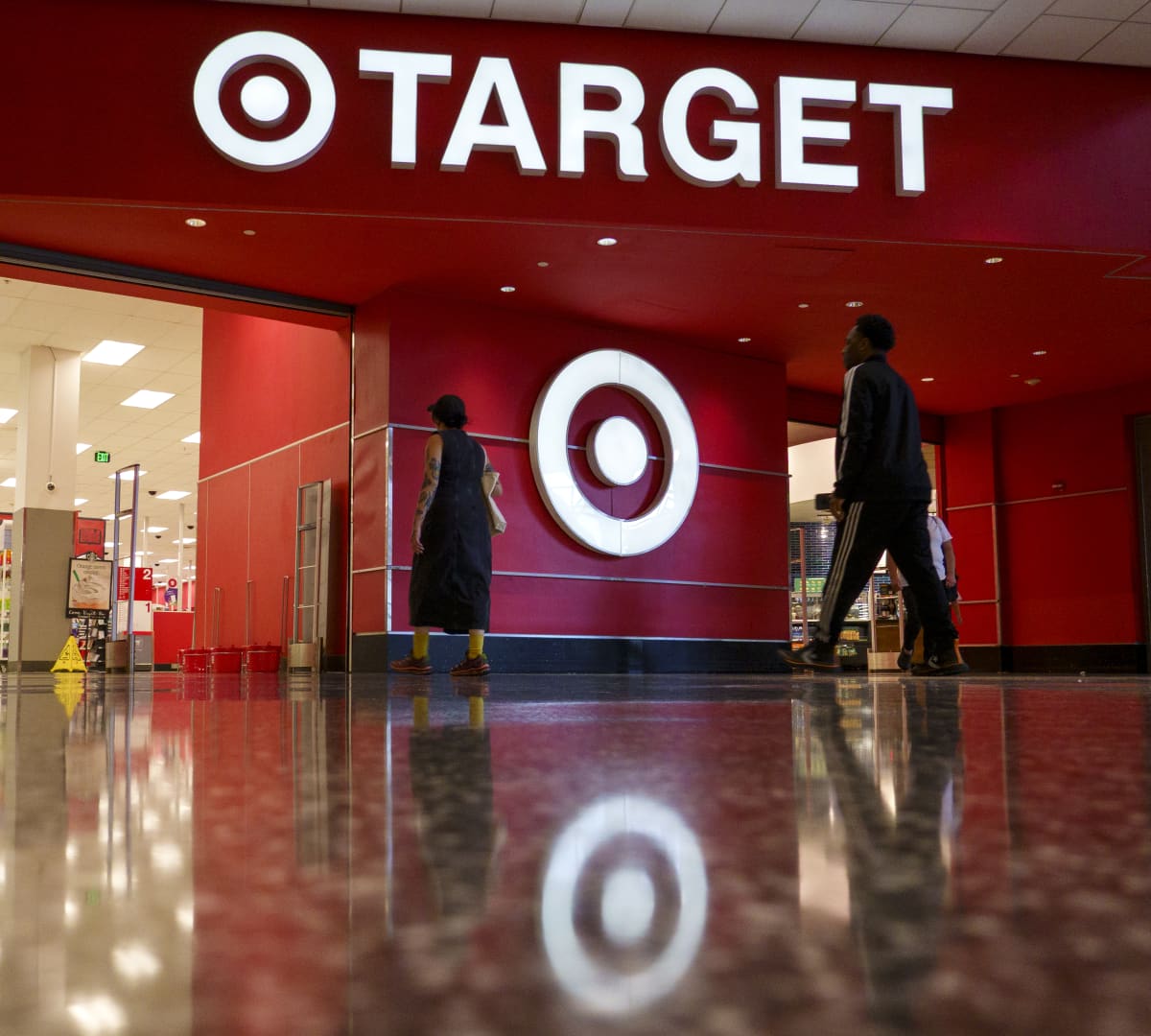
Target's latest quarter is the strongest evidence yet that the retailer's turnaround is gaining traction. The company reported net sales growth of 7.1% for the quarter, its best in over five years, and comparable sales rose 5.6%, comfortably ahead of StreetAccount estimates of 3.8%. Comparable traffic climbed 5%, which matters more than the sales figure alone, because it suggests people are choosing to walk into the stores again rather than simply spending more on the same visits.
Digital comparable sales jumped nearly 10%, and beauty and food and beverage delivered 9% and nearly 7% growth. Net sales rose in all three months of the quarter, with the strongest performance during back-to-school season. Those are the kinds of numbers that suggest a broad recovery rather than a single lucky category, and they came from a retailer that had spent years with flat revenue.
The decision to raise full-year guidance is the right kind of confidence, but investors and shoppers should notice what it rests on. Target now expects net sales growth of around 6%, and its earnings per share outlook of $10.65 to $11.40 is higher than the prior range of $9.90 to $10.90. The operating margin forecast of about 6.2% includes roughly 1.1 percentage points from tariff refunds. That benefit is real, but it is not the same as operating strength, and a careful reader should separate the two when judging how durable the margin improvement is.
Spending is also rising sharply. Target invested approximately $3.8 billion in capital expenditures this year, nearly $1 billion more than last year, and now plans to invest between $5 billion and $6 billion next year. CEO Michael Fiddelke framed those returns as the reason for the bigger bet. The company will need to show that the extra spending keeps producing traffic and sales rather than simply raising costs.
The price cuts deserve credit but also scrutiny. Target has lowered prices on more than 10,000 items and cut roughly 2,000 more in the third quarter alone, while promoting thousands of products at $5 and under. That is a sensible response to lagging consumer sentiment and high inflation. The question is whether the traffic gains hold once those discounts are less of a novelty and whether the company can keep margins steady while doing so.
Fiddelke himself was measured, saying there is "more work ahead to sustain this momentum and deliver consistent growth over time." That is the correct posture. Target has earned a good quarter, and its stock is up more than 60% this year. The next step is proving that the growth is repeatable across seasons, not just the back-to-school peak.