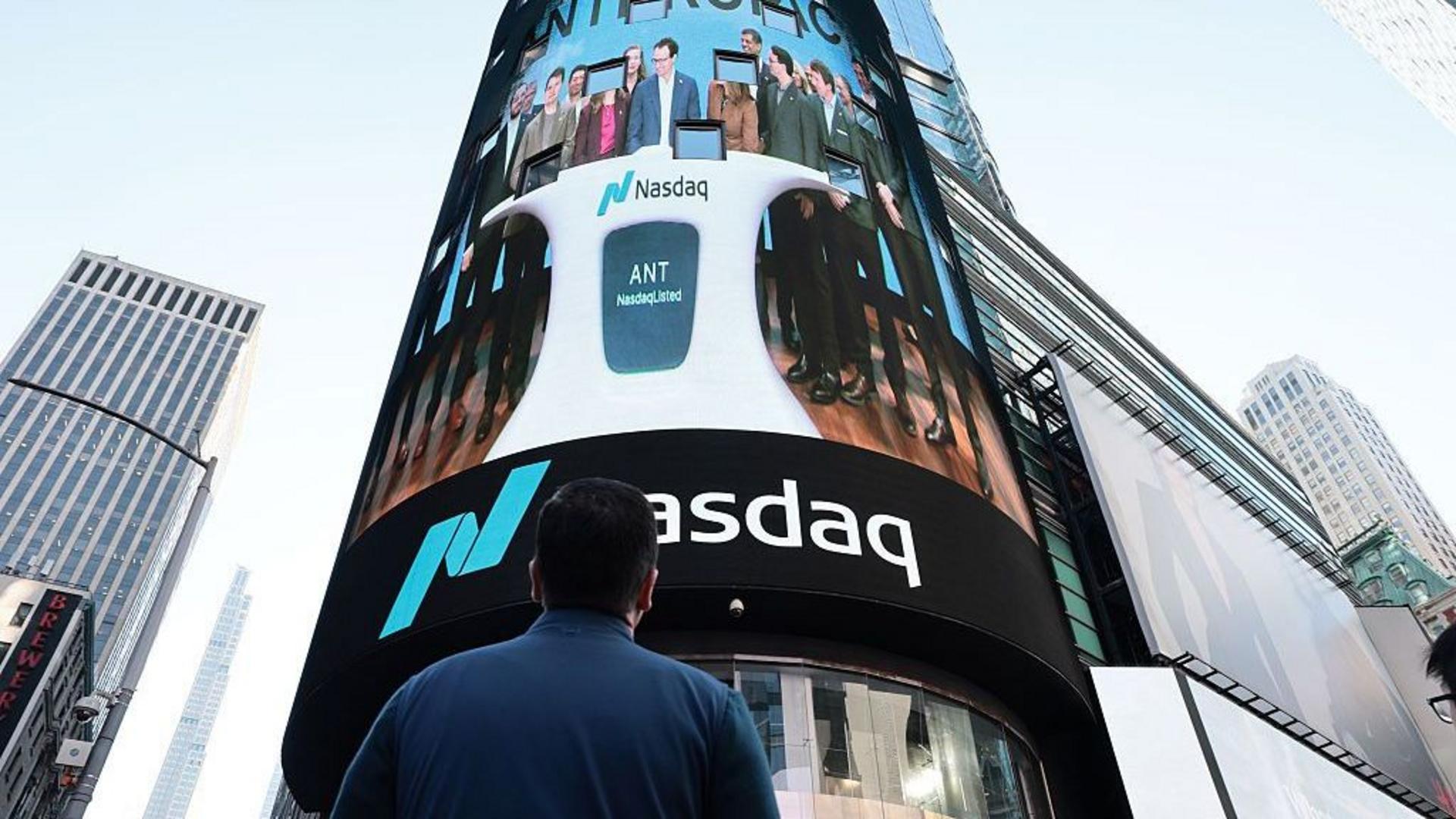
Anthropic's first day on the Nasdaq looked like a success. Trading opened at $111.50 and the shares closed up 17% at $97.17. Then, as a wider tech sell-off dragged markets down, the stock gave back much of that gain. On Friday it dropped at one point by more than 12% to about $85, close to its initial public offering price of $83, and closed down 8.5%. Investors should read that movement carefully before drawing a conclusion either way.
The broader market was rattled for reasons that go beyond one company. The S&P 500 closed down 3.7%, the Dow Jones Industrial Average fell 1.9% and the Nasdaq Composite plunged 5.3%. The S&P 500 and the Dow were pushed into correction territory. The report also notes that all three indexes remained above where they stood a year earlier. That detail matters. This was a sharp reversal after a strong run, not a collapse of the market's foundations.
The deeper worry is the pace of spending. The report says more than $1 trillion has been spent on AI in the last year alone by a small group of major tech companies. Questions about whether those investments will pay off, and when, are now louder. Ed Moya of AlphaSense put the shift plainly: Wall Street is moving from rewarding growth at any price to demanding stronger cash flow and a clearer path to profitability. I think that shift is healthy. Companies spending at this scale should have to show returns.
Anthropic's listing was also a test with no direct peers, as the report notes it was the first frontier AI firm to go public. Analysts expected volatility in its early days, and the comparison with SpaceX's swings after its June debut is a reasonable reminder of that. Still, a stock that rises on debut and then falls back toward its offer price is telling investors that enthusiasm and valuation are separate questions. Investors should judge Anthropic over quarters, not sessions.
My conclusion is that this week was a warning about price discipline, not proof that AI demand has vanished. Moya himself said AI demand remains very strong. The task for investors and executives is to separate durable revenue from spending justified only by hope. That is harder than riding a rally, but it is the work that determines which companies survive the next correction.