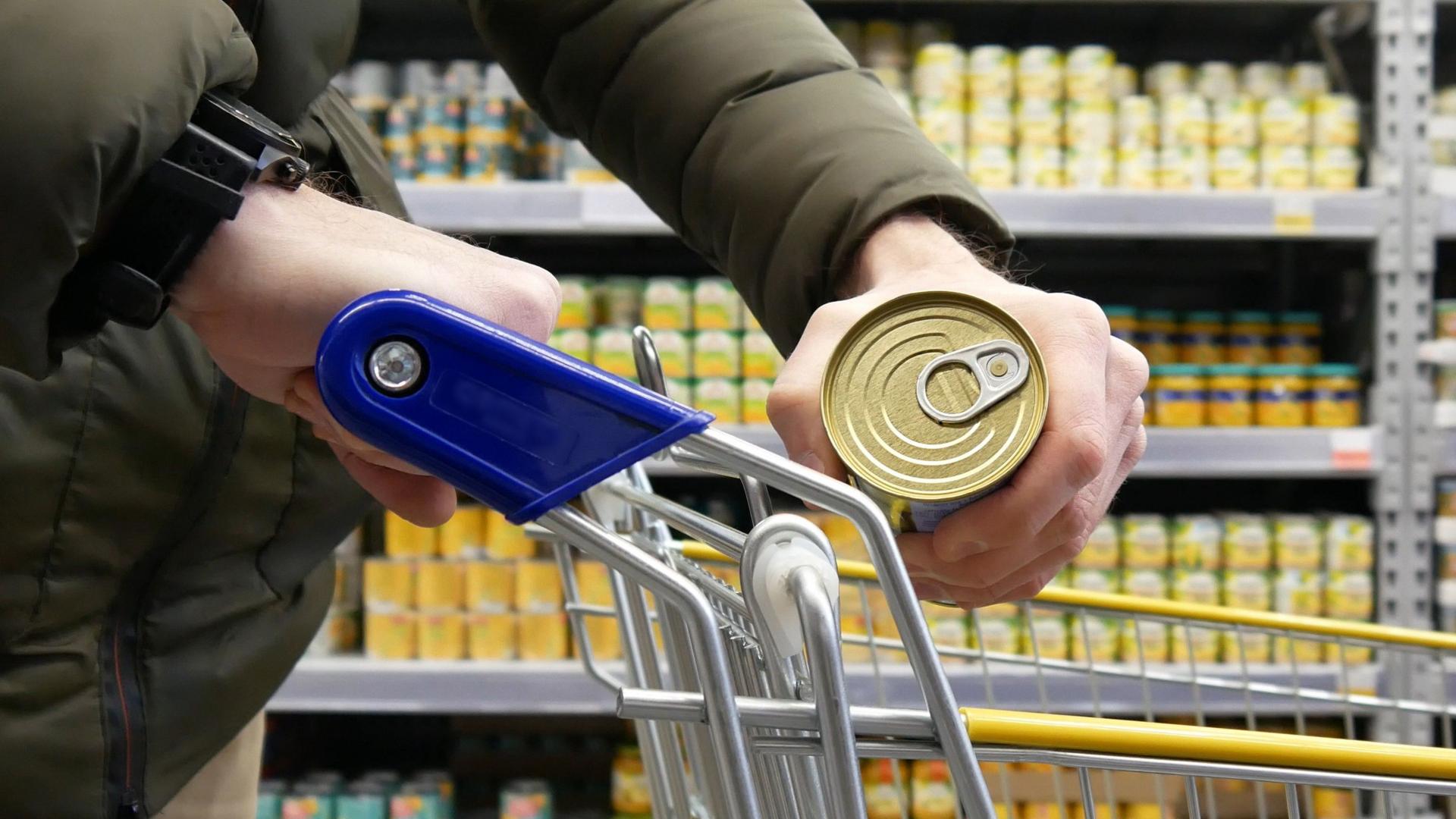
Retail sales rose 0.7% in October, and the Office for National Statistics credited much of the gain to shoppers buying long-life food such as tinned goods and UHT milk. The ONS said people were responding to the government's 'Be Ready' campaign, which encouraged households to stock up in case severe weather or cyberattacks disrupt essential services. The increase beat some economists' expectations of a slight fall, and it followed a 0.6% decline in September. On the headline figure alone, it looks like good news for the sector at the start of the festive period.
The report does not support reading it that way. The campaign asked households to keep three days' worth of food and water at home, along with wet wipes, a torch and cash. Worldpanel by Numerator data cited in the same coverage showed people buying tinned meat, bottled water and hand sanitiser. Separate research said households were stockpiling essentials but not panic buying. Those are the purchases of people who have been told to prepare for disruption, not the purchases of people who feel confident about the coming months. Retailers that book this as festive momentum are counting caution as demand.
Jacqui Baker of RSM UK put the wider picture plainly: consumers may soon batten down the hatches in the New Year as energy costs rise. Typical energy bills are forecast to rise by £443 a year from January, and inflation reached 3.6% in October, largely because of higher petrol and diesel prices linked to the Iran war. A sales bump driven by emergency preparation can disappear quickly once household budgets tighten, and it will not necessarily carry into discretionary spending on clothing or gifts.
Retailers should plan for that squeeze now rather than celebrate the October figures. Stock levels for long-life lines should be managed with the expectation that demand may reverse once the campaign's effect fades. Retailers should also watch fuel sales, which the ONS said were recovering from earlier lows despite pump prices rising again. Government, for its part, should be clear about what the 'Be Ready' campaign is asking of people and why, so that preparedness advice does not itself create the buying wave that makes shelves look like a crisis.
The October numbers are real, but they measure fear of disruption as much as they measure spending power. Treat them as an early signal of household anxiety heading into winter, not as proof that shoppers are ready to spend freely through the festive season.