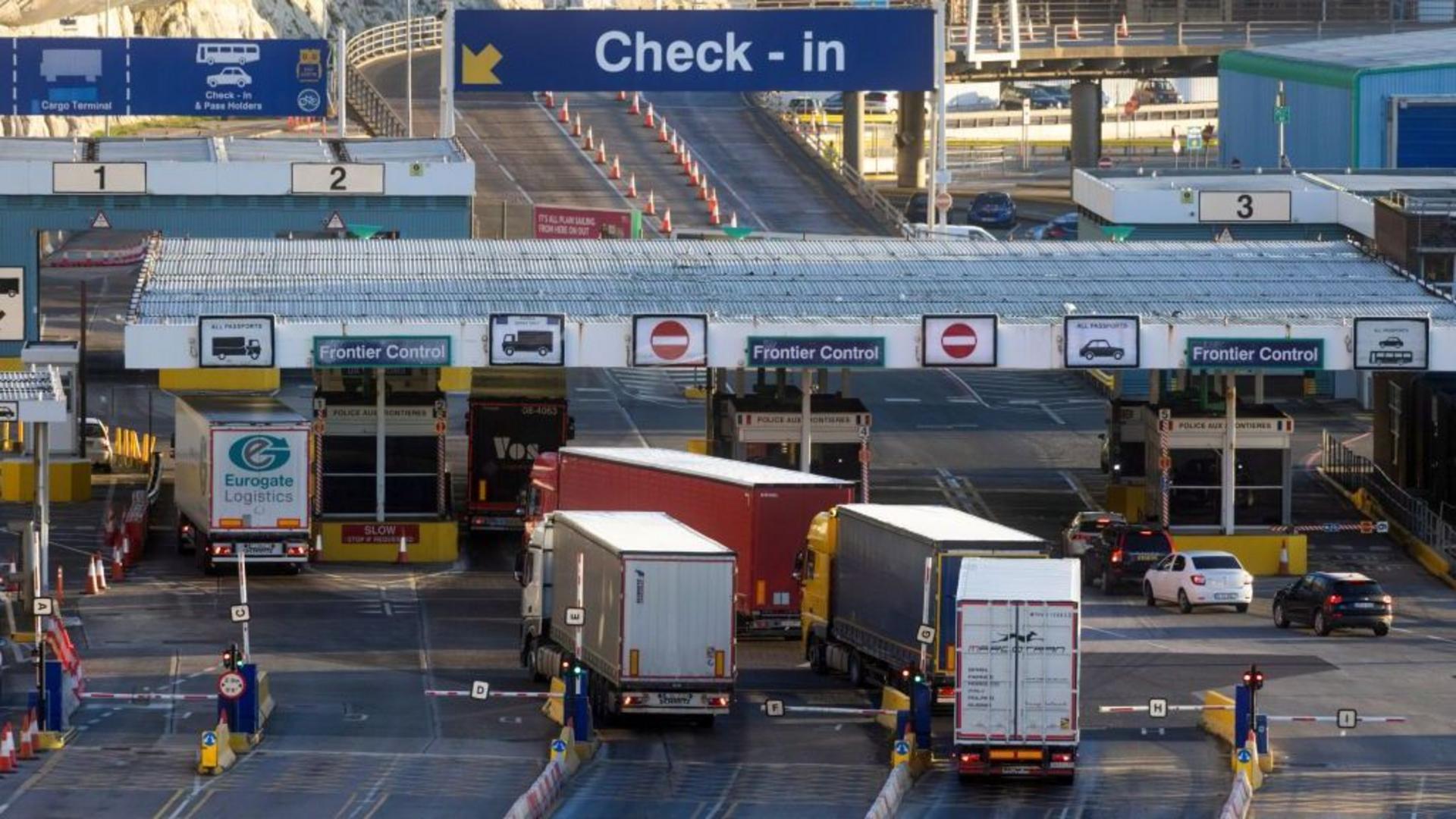
The draft agreement on sanitary and phytosanitary checks is the most concrete outcome of the Brexit reset so far. According to the BBC, the 200-page text has been circulated to EU nations ahead of a meeting of EU ambassadors, known as Coreper, on Wednesday. If it holds, it would remove the need for £200 Export Health Certificates, £25 Phytosanitary certificates, inspector fees, organic certificates, some port fees, sampling fees and other checks on trade with the EU. Those are costs that exporters have been carrying for nearly six years, and removing them is overdue.
The government claims the UK economy will eventually see £5.1bn of annual benefits. That figure is the government's own estimate, and it should be tested as the details emerge. Still, the direction is clear. Shellfish from domestic waters, fresh sausages, burgers and seed potatoes would be able to resume trade, and UK pets could travel into the EU with passports. Exporters and supermarkets have welcomed the plans, and farmers' representatives have backed them too.
The price is that the UK would commit to dynamic alignment, observing and adapting to existing EU rules on plant, animal and food standards. Pro-Brexit campaigners are right to say this reverses the priority set by the trade deal signed under Boris Johnson, which put regulatory freedom ahead of avoiding new checks and delays. The honest debate is about whether regular access to the single market is worth accepting EU rules. Ministers should say so plainly rather than describe it as a technical tidy-up. The planned European Partnerships Bill would give Parliament a legal route for applying new EU rules, and it should be scrutinised with that trade-off in view.
The British Chamber of Commerce's analysis points the same way. Its survey found that 56% of exporting businesses wanted EU customs paperwork and delays removed so they could grow, rising to 58% among manufacturers. The BCC has set out nine options for a closer relationship, including a customs union, a Swiss-style single market relationship and a Canada-style associate membership, and it has asked government to analyse and publish them. That is a sensible request.
The prime minister wants this month's summit to launch a longer conversation about the UK's future with the EU, including what he called going all the way, meaning rejoining the bloc. Government should take that conversation seriously and publish the options with their costs and trade-offs. Food is the place to start: remove the checks that have no purpose, and then be honest with voters about the bigger choice that comes next.