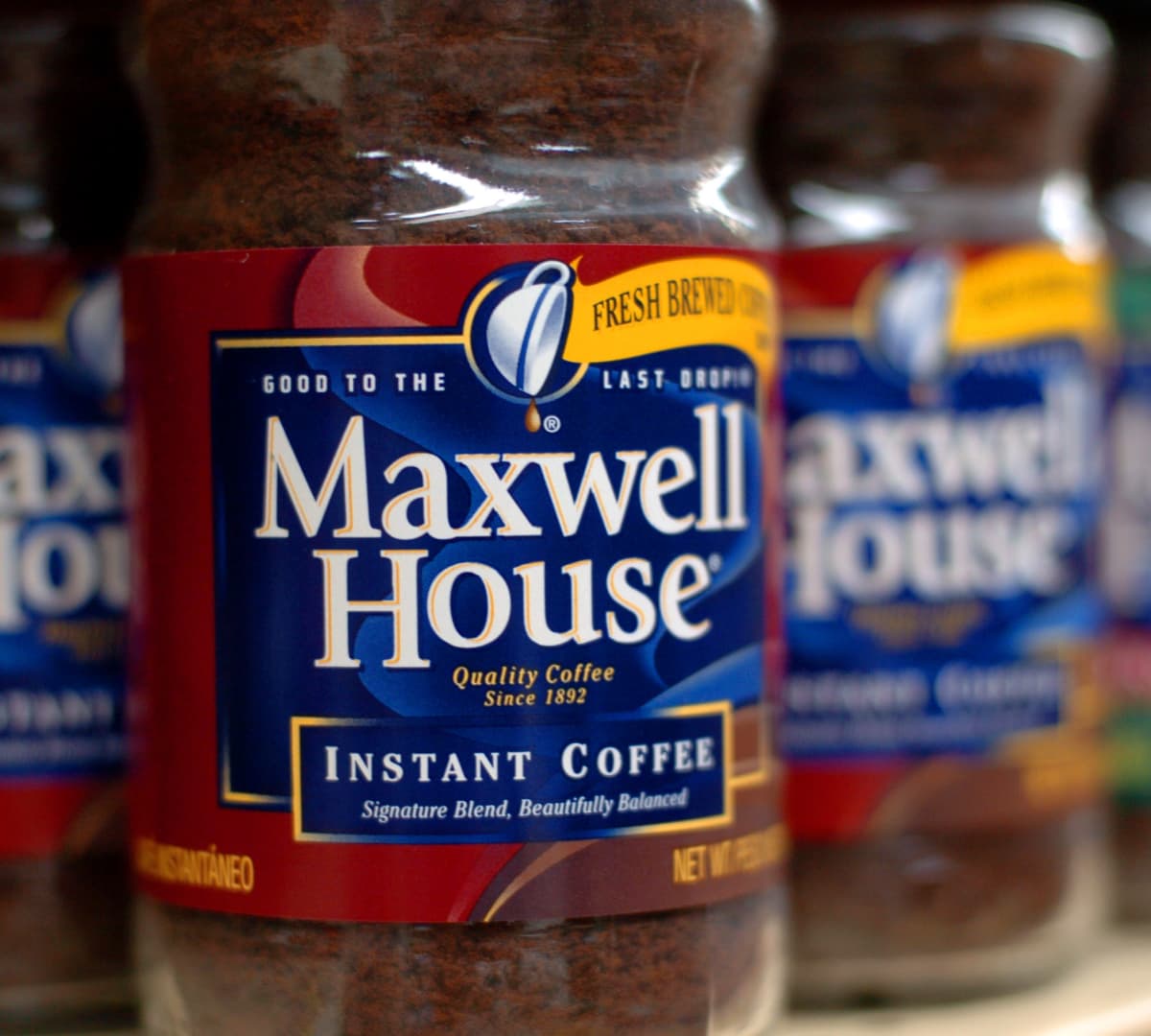
Kraft Heinz announced Wednesday that it will divest its North American coffee unit to private equity firm One Rock Capital Partners in a deal that values the business at $650 million on an enterprise basis. The portfolio includes Maxwell House and Gevalia, two brands with long histories in American kitchens. The company expects the transaction to close in mid-2027 and will retain a 30% noncontrolling equity stake.
The company says it will use the $500 million in post-tax cash proceeds to pay down debt and prioritize resources where it can accelerate growth. That is the right instinct. A business carrying heavy debt from the $46 billion merger a decade ago needs balance sheet repair before it can invest with confidence. Selling a slow-growing commodity-heavy category to fund debt reduction is a rational way to narrow a sprawling portfolio.
Still, the deal raises a fair question about strategy. Steve Cahillane, who joined the company in January, paused plans to split the company in two. He called the problems Kraft Heinz faced "fixable and within our control." Those are fair words, but a company that pauses a breakup, sells a major unit, and retains a 30% stake is also signaling that it has not yet settled on what it wants to be. Investors deserve a clearer answer than a series of partial moves.
The company's third-quarter results offer some encouragement. Earnings beat expectations, and the company raised its 2026 outlook, now projecting organic net sales to fall between 0.5% and 1.25%, compared with the earlier forecast of a decline of as much as 2%. Cahillane said market share, sales, and volume trends are improving in every region. Shares rose about 5% Wednesday morning. Those are real signs of progress, though a sales decline, even a smaller one, is not growth.
My view is that Kraft Heinz should treat the coffee sale as the start of disciplined pruning rather than a single victory. The next step should be a public, measurable plan that ties debt reduction, the $700 million reinvestment in the business, and growth targets to specific milestones. If the company can show that its U.S. business is turning around and its international growth is accelerating, the market will reward it. Until then, the sale is a sensible repair, not proof that the turnaround has arrived.