Engineers and analysts have replicated the conditions that overwhelmed parts of the U.S. air traffic system during Friday's nationwide ground stop, people familiar with the investigation told CNBC. Those people spoke on condition of anonymity because the investigation is ongoing.
The replication took place in a lab in Florida. Investigators have not yet determined why two routers failed.
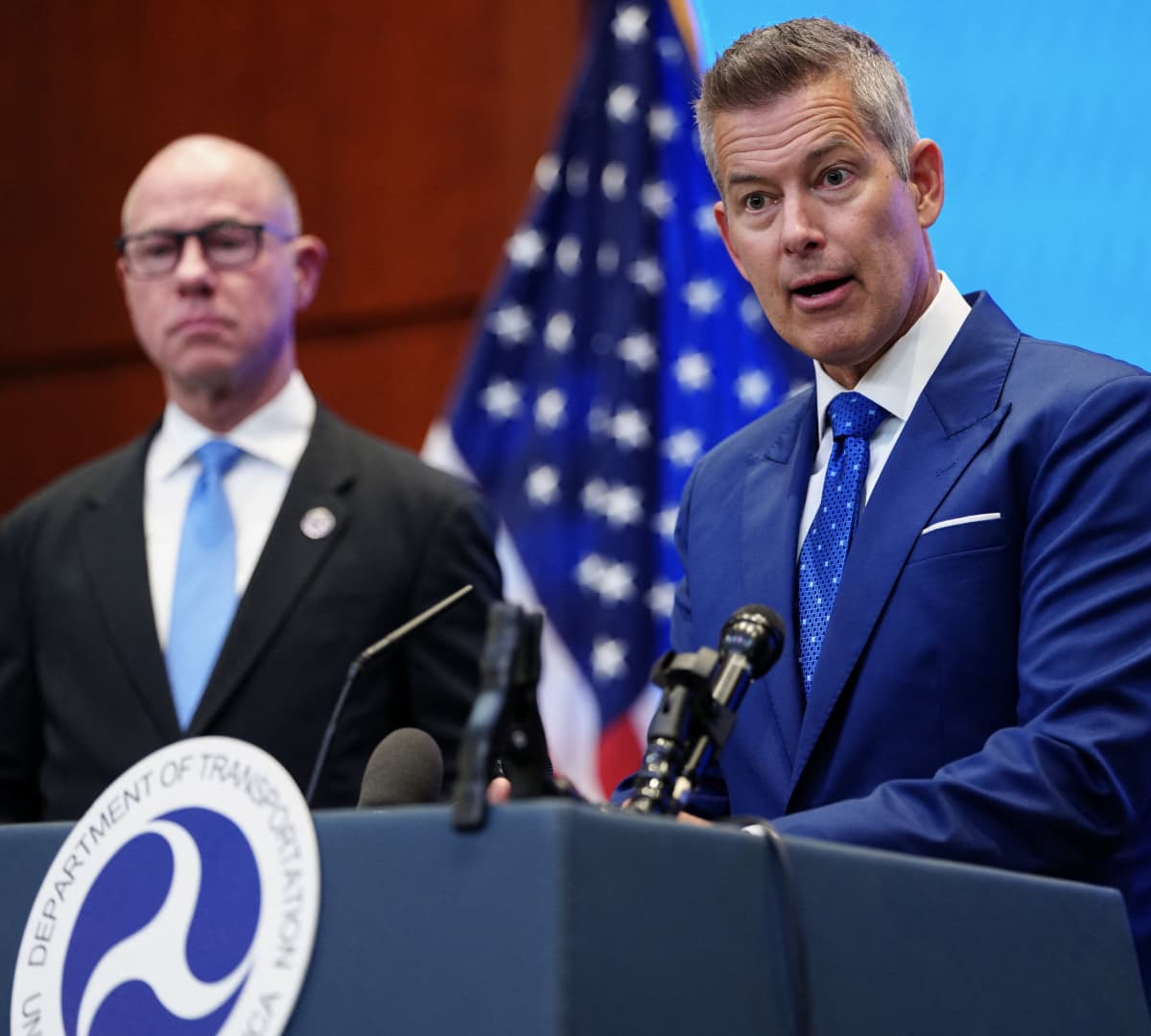
The ground stop lasted more than four hours and was the longest halt to U.S. flight departures since 9/11, according to the report. Transportation Secretary Sean Duffy and FAA Administrator Bryan Bedford said there is no indication the routers failed due to a cyberattack.
Investigators said a new router installed by L3Harris Technologies at a facility in El Dorado, Arkansas, began transmitting too much data within eight minutes of installation. Duffy said the surge, about 1,000 connection attempts every four to five seconds, destabilized aircraft communications and radar feeds.
L3Harris, the primary contractor for the FAA telecommunications network, said it is supporting the investigation. The company said it and its partners have completed more than 70% of the planned conversion of airspace communications from legacy copper wires to fiber-optic systems.
Duffy has asked Congress for $50 billion to upgrade the national air traffic system, up from the $30 billion he originally requested for a digital network that would incorporate artificial intelligence.