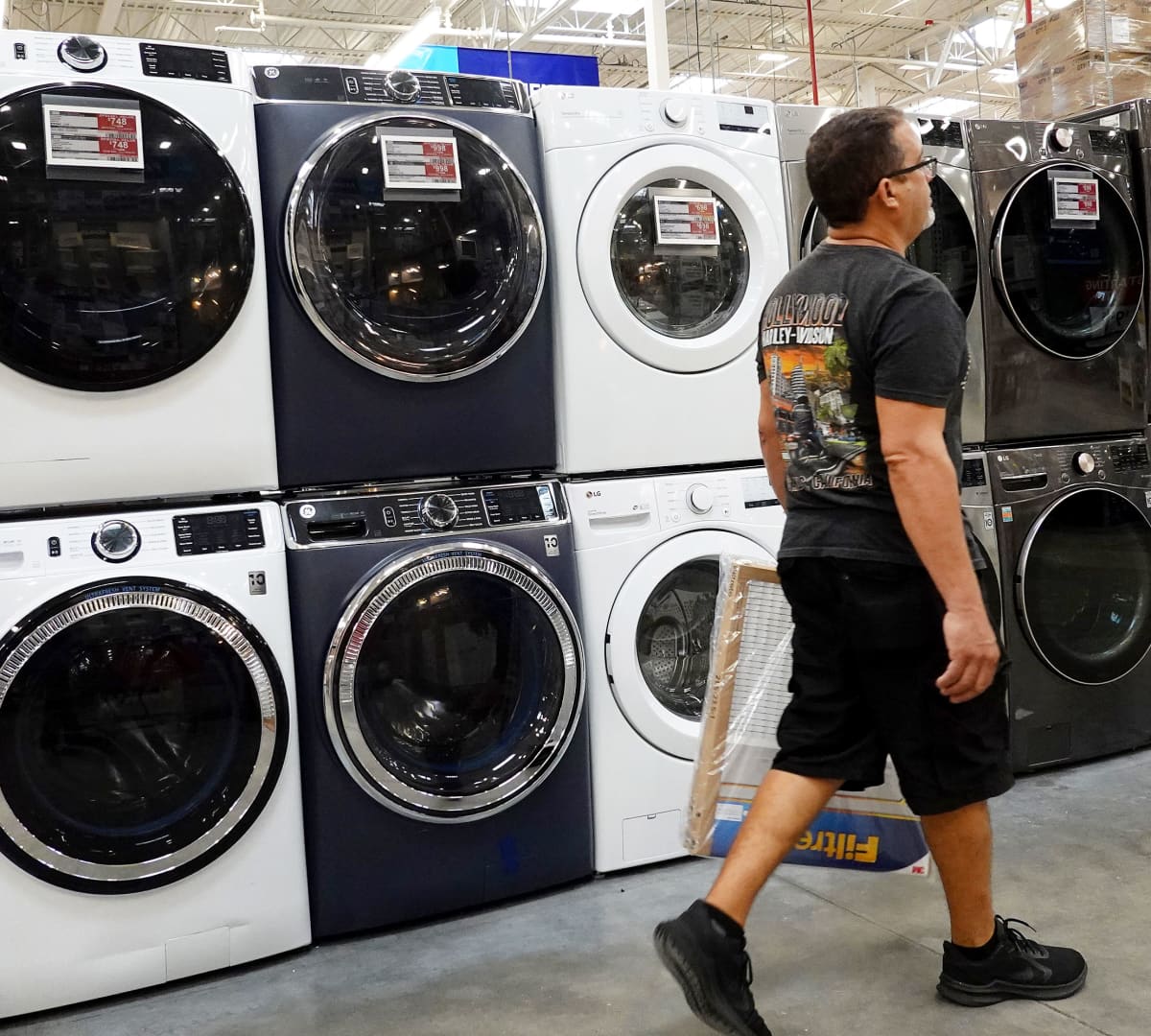
Retailers are expected to hold less inventory of big-ticket holiday items this season, according to Deborah Weinswig, CEO of retail analytics firm Coresight Research. She said retailers she works with are holding less stock of big-screen TVs, grills, and large appliances such as washers and dryers. She described the expected inventory levels as among the lowest she has seen on these items.
Weinswig attributed the pressure to freight, carrying costs and trucking. "It's freight getting it from there to here; it's carrying costs; then it's just the trucking to get it into the stores," she said.
According to Evercore ISI, general trucking rates rose more than 47% year over year during the week of Nov. 2. Industry experts cited a federal crackdown on non-citizen and non-U.S.-based truck drivers operating in the U.S. as a large factor, which they said has created a capacity crunch that raised rates and is expected to keep pushing them up.
Fuel surcharges have also climbed. Evercore ISI data shows the surcharge rose 64% year over year as diesel prices hit new record highs, which the report links in part to the U.S.-Israel war with Iran. The report also says inventory holding costs are closely tied to the 10-year Treasury yield, which exceeded 5% in October and remained at multiyear highs in November.
Bill Catania, CEO of logistics technology company OneRail, said he expects more discounts as the holiday approaches. "You're going to see more discount and price promotions as we get closer to the holiday to liquidate inventory," he said.
Derek Leathers, CEO of Werner Enterprises, said retailers are cautious. "When rates are higher and the cost of capital is more expensive, you are going to have a much more intense focus on not having excess inventory," he said. He also said retailers are still willing to pay more to secure capacity. "You can't sell it if it's not on the shelf," Leathers said.
Bain & Company forecasts 2026 holiday sales will top $1 trillion. ShipMatrix forecasts 2.4 billion packages will be delivered during the 2026 holiday peak, a 4% increase year over year.