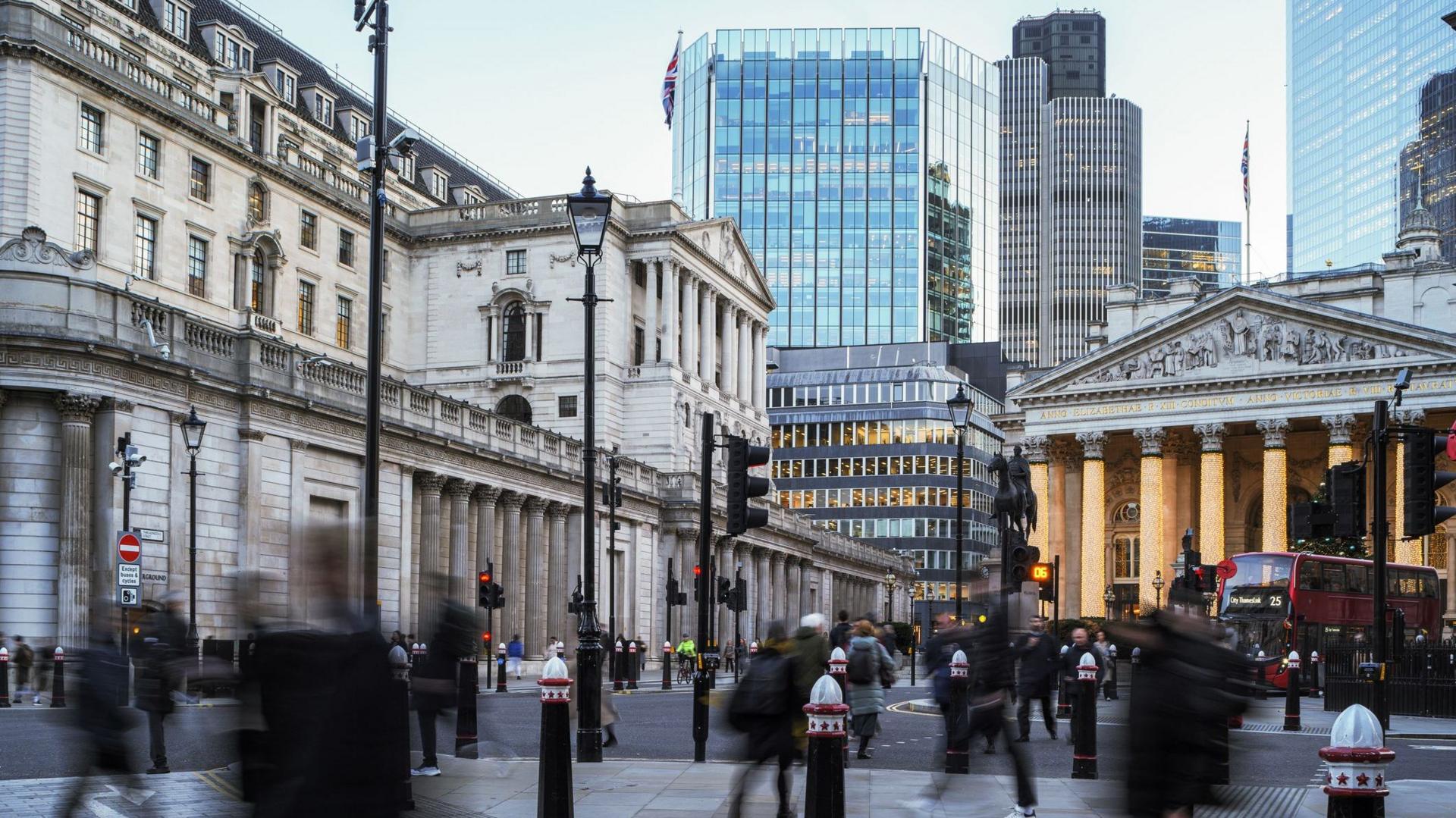
The Bank of England is expected to raise its benchmark interest rate on Thursday, from 3.75% to 4%, according to most analysts. It would be the first increase in more than three years. The Bank last raised rates in August 2023. The announcement is due at 12:00 GMT.
The rate has fallen from its 2023-24 peak of 5.25%. The Bank's Monetary Policy Committee has held the rate unchanged at its last six meetings.
Analysts say rising inflation, driven mainly by petrol and diesel prices, is pushing policymakers toward a rise. Consumer Prices Index inflation was 3.5% in the year to September 2026, up from 3.1% the previous month. That is well above the Bank's 2% target. The report links the energy and fuel costs to the ongoing impact of the Iran war. Millions of domestic energy customers face a sharp price rise in January.
Chris Cheverall, head of UK at trading platform CMC Markets, said the focus is shifting to what comes after a rise. "The decision is increasingly less about whether rates reach 4% and more about what follows after that," he said. He added that the Bank must balance inflation that is still too high against an economy whose growth outlook has weakened sharply.
The report says a 0.25 percentage point rise would increase monthly repayments by £31 for a typical tracker mortgage, according to UK Finance. Around 510,000 tracker mortgage holders would be affected immediately. Borrowers on variable deals, about 470,000 people, would wait for their lender to respond. For them, the typical increase would be £14 per month.
Borrowers on fixed deals will not see an immediate change in payments. However, lenders have already priced in the expected rise. As of 4 November, the average two-year fixed residential mortgage rate was 5.96%, and the average five-year rate was 5.99%, according to Moneyfacts. Broker L&C said some borrowers now face almost £5,000 more a year in repayments on a £200,000 mortgage over 25 years than those who remortgaged in 2021. Five years ago, the average five-year fixed remortgage rate among the 10 biggest lenders was 1.30%.
Rachel Springall of Moneyfacts said the choice between fixed and tracker deals depends on whether borrowers can handle future rises. "The right choice ultimately depends on borrowers being confident they can stomach future rises. The devil is in the detail," she said.
The report also says a rise could lift returns for savers, and that other new loans could be affected by the Bank rate.