Boeing said Monday that it plans to cut 5% of its commercial airplane workforce, and the reason it gave is revealing. The company says its production ramp-up is moving more slowly than it expected. In other words, the staffing decisions made when output targets looked achievable are now being unwound because those targets were never realistic on the schedule the company set for itself.
According to the report, the cuts will come through a combination of attrition and layoffs, with notifications beginning in December. Stephanie Pope, who heads the commercial aircraft unit, described the situation in a memo to staff as an overstaffed position created by adjusting production schedules and reducing aircraft output. That is a polite way of saying the company hired and planned for volume it has not been able to deliver.
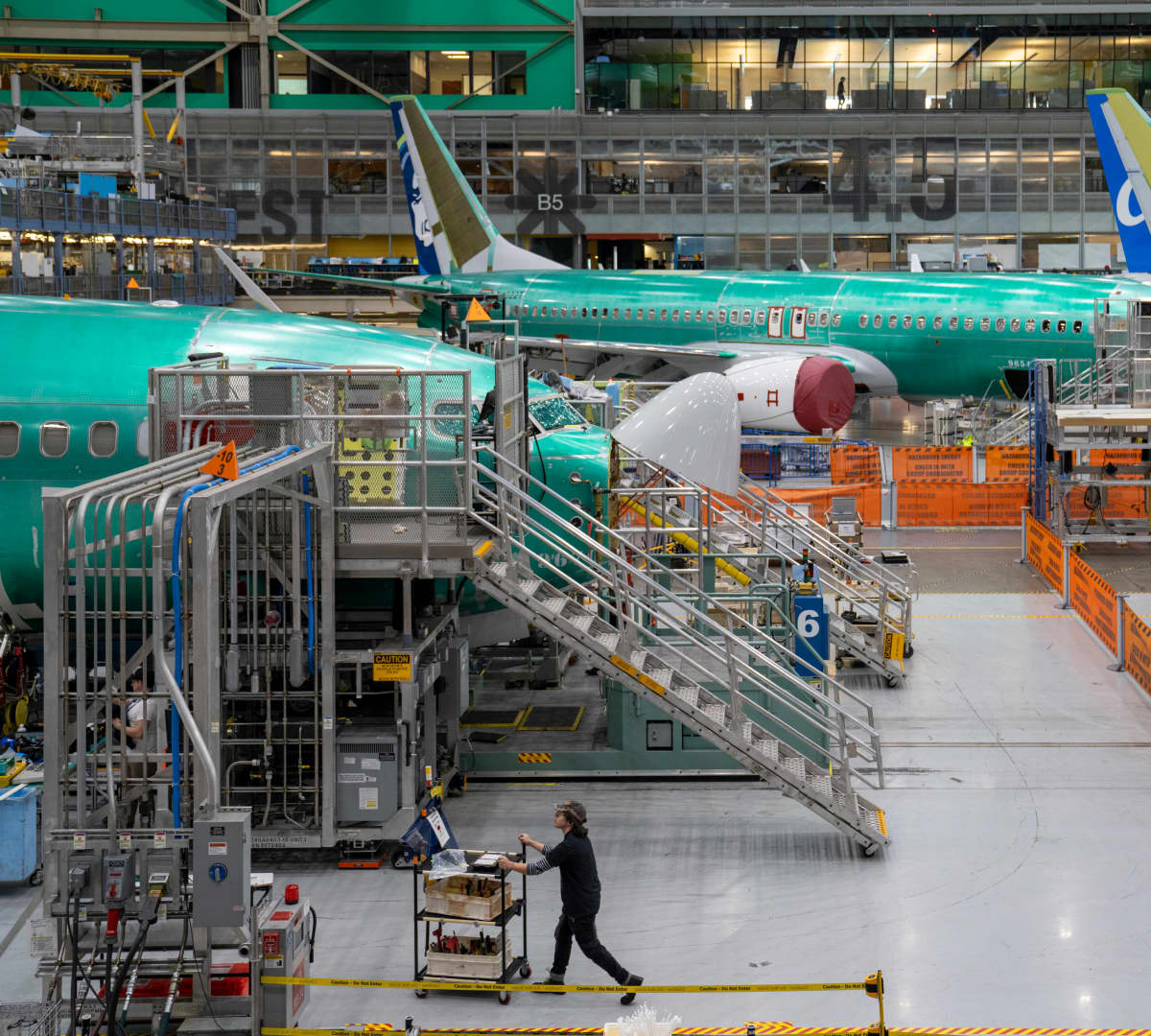
The core problem sits in the production line for the 737 Max, the bestselling plane that the company says it is still working to stabilize. CEO Kelly Ortberg told investors last month that the company will not significantly increase output of the Max until the second half of next year, and he said wing production has been slower than expected. Boeing is targeting 52 planes a month in the second half of 2027, while it has been trying to stabilize output at about 47 a month. Those figures suggest a gap that the workforce plan must absorb one way or another.
Workers who are cut will bear the cost of decisions made above them, and the report offers no detail on how the company will handle severance, redeployment, or the timing of involuntary layoffs for those affected. Boeing should be explicit with employees about which roles are affected and what support they will receive, rather than treating a 5% reduction as a neat line item in a revised business plan. Attrition is the gentler path, but the report does not say how much of the cut it will cover.
What should happen next is a more honest timeline. If Boeing believes it can reach its 2027 rate, it should show the production milestones that make that credible, not simply trim staff and hope the ramp follows. If it cannot, investors and employees deserve to know now. Either way, a company that keeps revising its production expectations should expect its staffing decisions to be read as a sign of how little confidence it has in its own schedule.