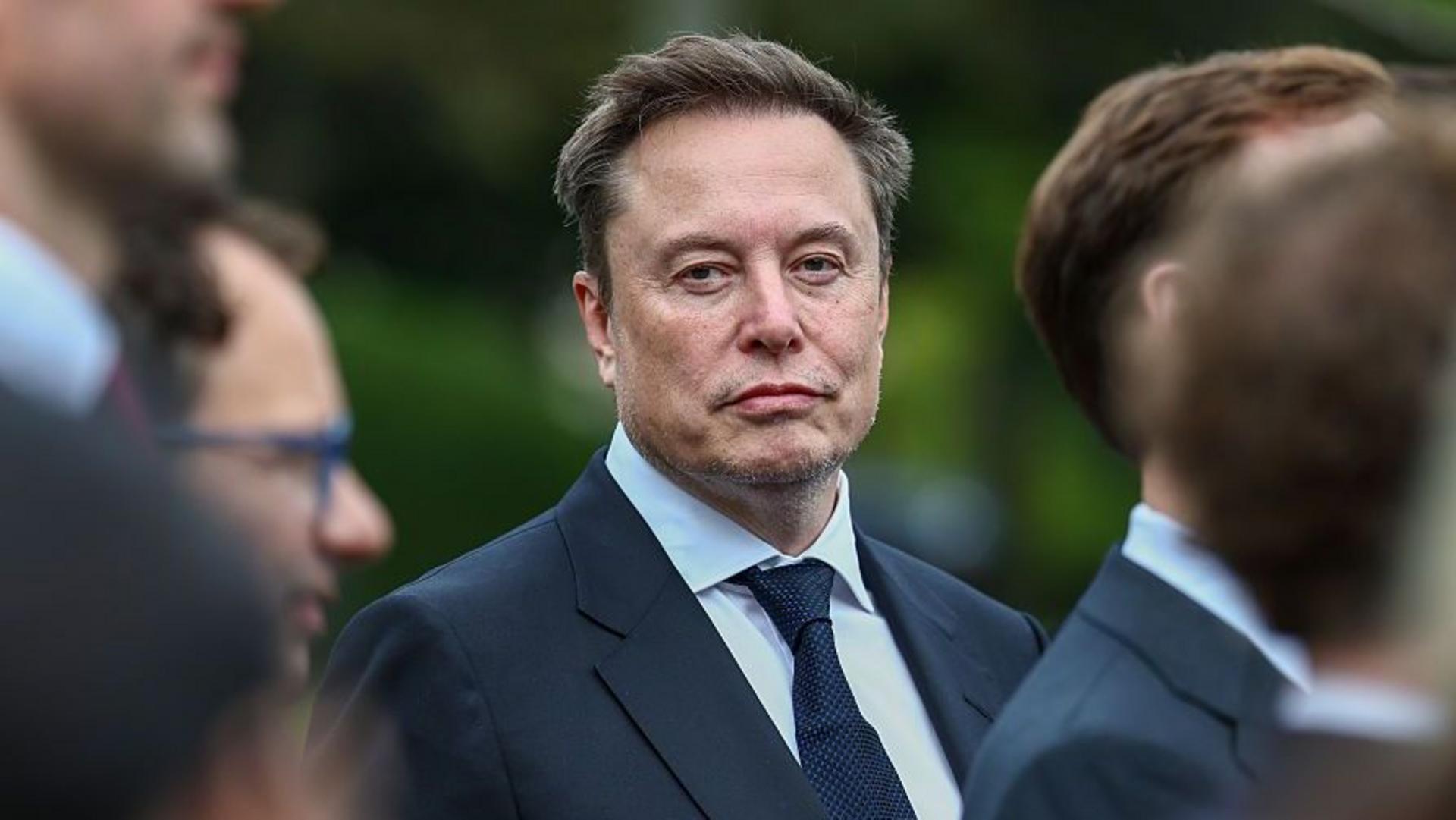
Elon Musk confirmed Tuesday that he is exploring a merger between Tesla and SpaceX, with special committees now assessing the deal. Musk said he sees "a lot to be gained" from combining the two companies, though he stressed that nothing has been agreed and shareholders must ultimately approve any transaction.
The combined entity would rank as the largest merger on record. Tesla carries a valuation of roughly $1.5 trillion and SpaceX approximately $2 trillion. Musk, who serves as CEO of both companies, cannot participate in shareholder discussions but holds a key stake in Tesla. He described the required threshold of half of Tesla shareholders backing the deal as "quite a high hurdle."
Musk outlined the strategic logic behind the combination: merging Tesla's self-driving cars, robots and autonomous vehicle technology with SpaceX's rockets, data centres, satellites and telecommunications infrastructure would unlock shared work around computer chips and artificial intelligence. The recent unveiling of a Tesla Roadster powered by SpaceX rocket thrusters served as a visual signal of the convergence, according to David Nicholson, Chief Technology Advisor at market research firm The Futurum Group.
Investment analyst Dan Sheehan from Telos Wealth Advisors predicted shareholders will back the deal, citing complementary technologies between the companies. However, he cautioned that Tesla shareholders would hold "a smaller slice of a much larger and more complex business" if the merger proceeds.
SpaceX stock climbed 8 per cent in after-hours trading following the announcement, while Tesla shares rose 1.5 per cent.
Experts noted that pairing Tesla's robotics and autonomous driving capability with SpaceX's AI infrastructure and satellite network could produce more advanced vehicles. Tu Le, founder of Sino Auto Insights, suggested the Roadster showcase may attract customers, particularly as Tesla faces intensifying competition from Chinese EV makers including BYD, which surpassed Tesla as the world's largest EV producer in January.
Musk has previously consolidated his businesses, with SpaceX acquiring xAI and X (formerly Twitter). The merger could advance his stated mission of building a self-sustaining city on Mars. The move may attract regulatory scrutiny given Musk's polarising public profile and potential Democratic electoral gains in forthcoming midterm elections, Nicholson cautioned.