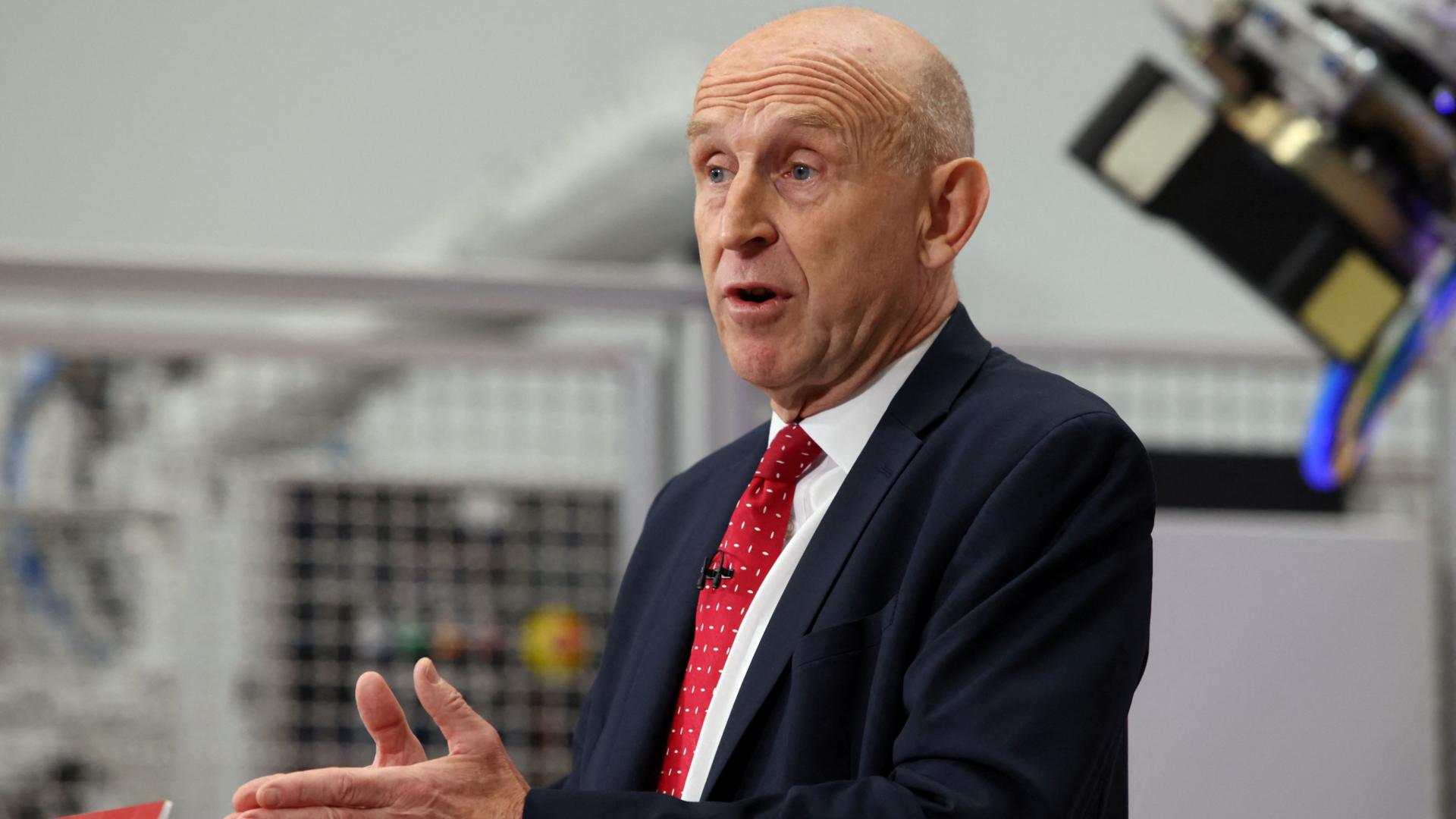
Chancellor John Healey has ruled out raising Capital Gains Tax in next week's Budget, rejecting pressure from some Labour MPs and senior government figures to increase the levy.
Healey cited concerns about an investor exodus from the UK. The Times reported that warnings about the tax increase focused on the risk that wealthy people would leave the country or delay selling assets, potentially costing the government money rather than raising it.
Two cabinet ministers had previously advocated for a CGT rise. Louise Haigh, now Secretary of State, had suggested bringing capital gains closer to income tax rates before taking her current post. Defence Secretary Wes Streeting called for a "wealth tax that works" in May, shortly after resigning from Sir Keir Starmer's former government.
The chancellor has previously signalled his preference for policies that lift confidence and investment. Healey told the Financial Times he would not level CGT and income tax rates, according to reporting cited in the BBC article.
Andy Burnham's government faced high-profile warnings against the move. Lord Jim O'Neill, the prime minister's former adviser and Goldman Sachs Chief Economist, suggested raising CGT would send "the wrong message to business."
CGT applies to profits made when selling assets that increase in value, such as company shares or non-primary residences. The rate is generally lower than income tax, which had made equalising the two an appealing policy option for some Labour figures seeking new revenue.
Healey's decision comes days before the Budget announcement. The Conservative Party leader Kemi Badenoch is expected to use a pre-Budget speech on Tuesday to urge the government to drop spending plans and reduce borrowing.