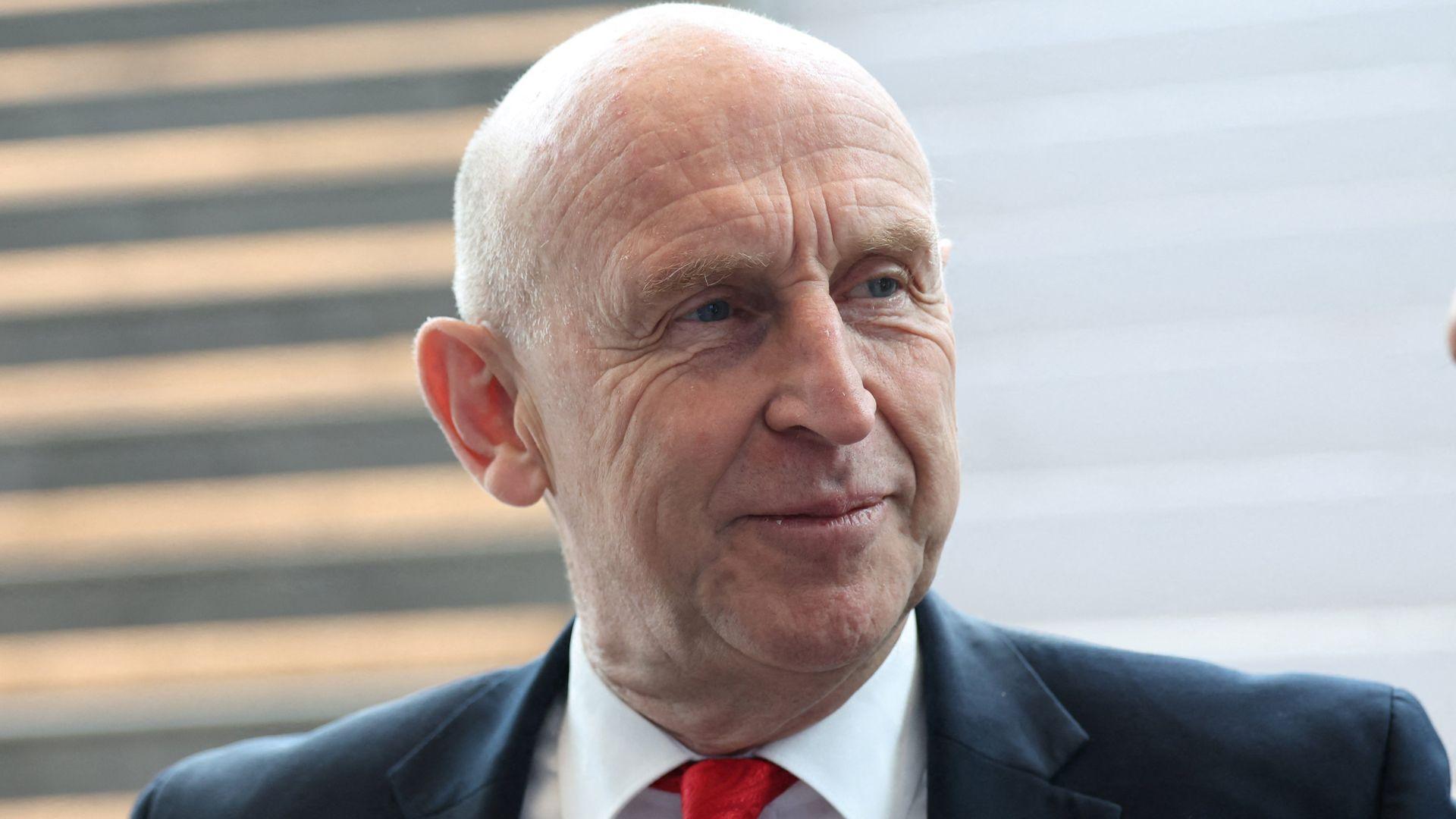
UK Chancellor John Healey plans to increase taxes on banks ahead of the Budget announcement in two weeks, senior banking executives told the BBC. The sector faces multiple potential tax rises as the government seeks additional revenue from an industry posting record profits.
The UK's four largest banks earned roughly £15bn profit in the first half of 2024. Healey has described banks as part of "the crown jewels" of the UK economy, yet acknowledged they will "be on the menu" for tax increases.
The Treasury is reportedly leaning towards reversing a 2023 cut in the bank surcharge on corporation tax, which was reduced from 8% to 3% under Conservative Chancellor Jeremy Hunt. Reversing this change would raise approximately £2bn annually. However, the government may not restore the rate to its full 8% level, as previous administrations worried that combined with the 25% corporation tax rate, UK banks would struggle to compete with European and US rivals.
Alternative options include raising the bank levy, a small percentage charged on loans, or imposing a moratorium on banks' use of past losses to offset current profits. The latter approach could yield roughly £1bn per year and would spare foreign banks from additional hits, though industry leaders argue exempting foreign operations would conflict with the government's stated commitment to back British business.
Stock market reaction proved swift. Shares in Lloyds and NatWest, the UK's biggest banks by domestic focus, fell more than 2% on Friday. Barclays fell slightly and HSBC rose, as both have substantial international operations and would face less impact from UK-specific tax increases.
Trade unions and some analysts support higher bank taxes. Paul Nowak, general secretary of the Trades Union Congress, said Britain's four biggest banks make roughly £1bn weekly. Sir Philip Augar, a former City banker, told the BBC there was "room for a moderate increase" raising up to £3bn annually, noting that banks benefit from higher interest rates that boost profit margins.
Banking industry representatives countered that additional taxes would damage competitiveness and job creation. UK Finance, the sector's trade body, warned such moves would "weaken competitiveness, discourage investment and job creation". Jamie Dimon, chief executive of JP Morgan, cautioned that the UK already carries one of the world's highest tax burdens on banks.